Preparing for Eid: how we plan livestock supply for the festive season
Demand for sheep, goats and cattle peaks around Eid. Here is how early forecasting, multi-origin sourcing and pre-booked shipping keep supply steady.
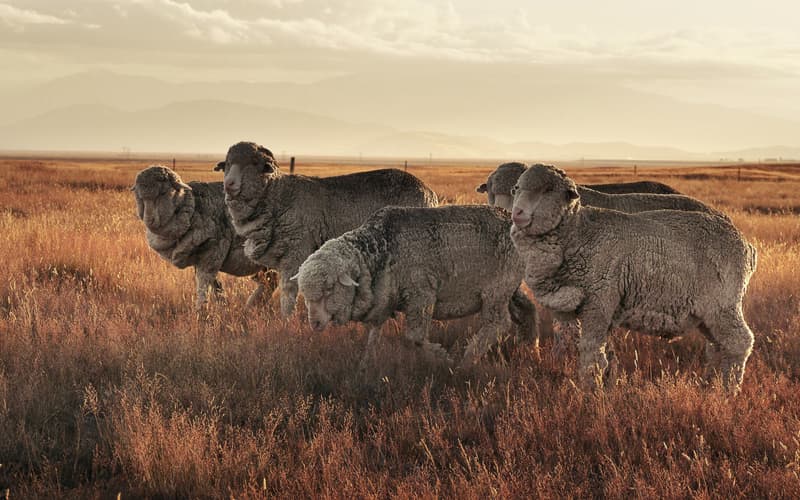
Eid al-Adha concentrates months of demand into a few weeks. For importers and wholesalers across Oman and the GCC, the challenge is the same every year: secure healthy animals of the right size, bring them in on time, and avoid the price spikes that come from last-minute buying.
Start with the forecast
We recommend that buyers share indicative volumes three to four months before the festival. Early visibility lets us reserve supplier lots, book vessel space and schedule veterinary inspections before the market tightens.
Spread the risk across origins
No single origin is risk-free. Disease restrictions, weather and port congestion can all interrupt supply. By sourcing from several regions — including East Africa, Australia and India for sheep and goats — we keep alternatives ready if one lane slows down.
Match the animal to the customer
Festival buyers have clear preferences. Typical requests include:
- Sheep in the 35–60 kg live-weight range, with a uniform appearance within each lot
- Young goats of 20–35 kg
- Cattle and camels for larger family and community requirements
We grade lots against your written specification and agree rejection criteria in advance.
Keep the paperwork ahead of the ships
Every lot needs an official veterinary health certificate, quarantine records and import permits. We prepare and check these documents before sailing so that cargo can be cleared on arrival rather than waiting in port during the busiest weeks.
Practical checklist for buyers
- Share volumes and preferred weight bands early.
- Confirm your holding facility capacity and discharge port.
- Agree delivery windows with a buffer before the festival.
- Arrange transport from the port in advance.
To start planning, request a quote and tell us your target dates.